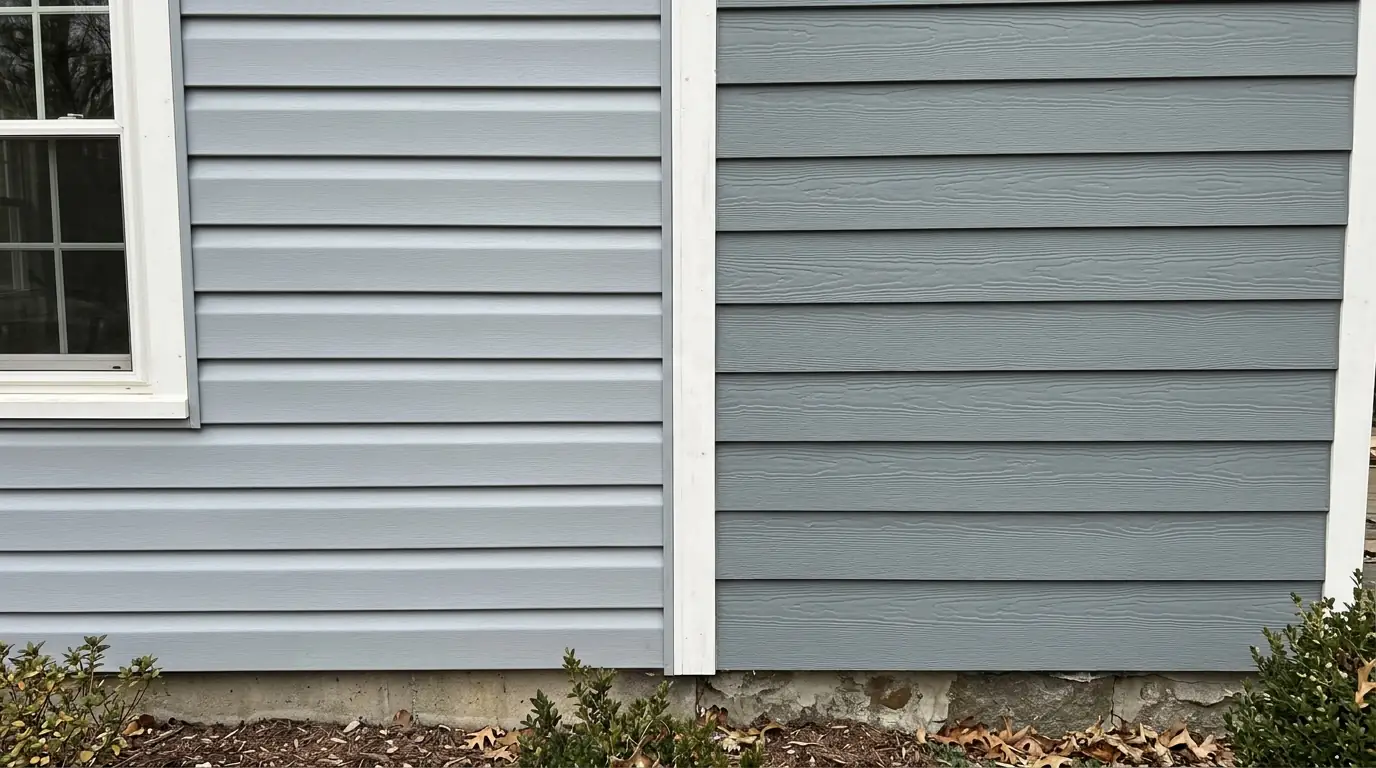
Vinyl siding costs less, needs almost no upkeep and comes in many colors; fiber cement costs more, looks closer to painted wood, resists impact and fire, and suits older and historic-style houses better. In Connecticut both handle freeze and thaw well when the wrap and flashing behind them are done right.
Cost
Installed, vinyl usually runs from roughly $7 to $12 per square foot and fiber cement from about $11 to $18, with removal, trim and height moving both. On a typical house the difference is several thousand dollars.
Looks
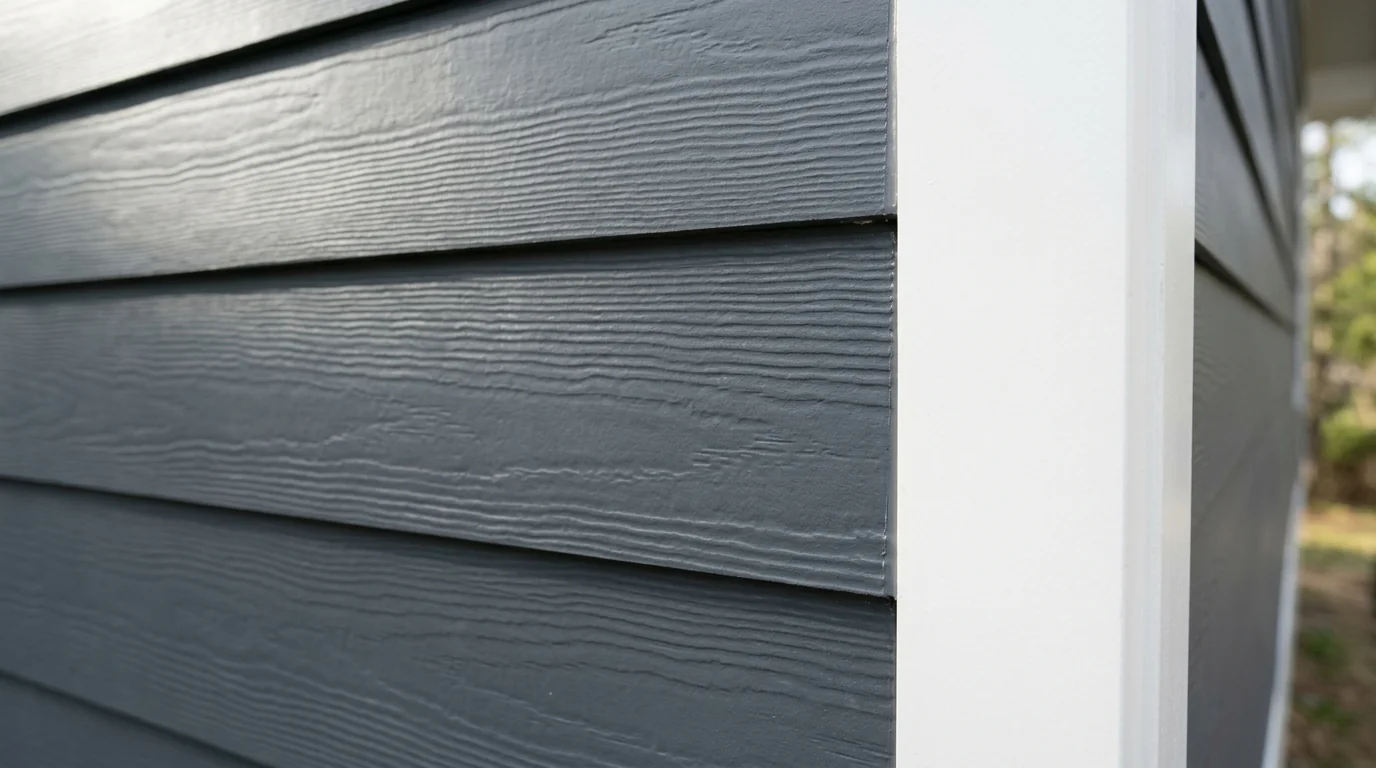
Thick vinyl with a deep profile looks far better than the thin siding of the 1980s, and darker colors now hold up. Still, fiber cement reads as painted wood from the street, with crisp edges and a flat, solid face. On Victorians and Colonials in East Rock, Prospect Hill and Westville, owners often pick fiber cement for that reason.
Durability in a Connecticut winter
Vinyl can become brittle in deep cold and crack if hit. Fiber cement does not crack from cold and stands up to impact, but it is heavy and needs its joints and clearances done right. Both last decades when installed well.
- Vinyl: light, flexible, can crack on impact in the cold
- Fiber cement: heavy, rigid, resists impact, fire and insects
- Both: depend on house wrap and flashing for long-term dryness
Maintenance
Vinyl needs washing now and then and never needs paint. Factory-finished fiber cement holds its color for many years and eventually needs repainting, much later than wood.
Which one to pick
For rentals, budget projects and houses where low upkeep comes first, vinyl is hard to beat. For older homes where character matters and owners plan to stay, fiber cement is often worth the extra cost. Engineered wood is a third option worth a look.
Questions readers ask
Is fiber cement worth it on a two-family?
It can be, especially on the street-facing side. Some owners mix fiber cement in front with vinyl on less visible walls.
Can vinyl siding be installed in winter?
Yes, with care. Vinyl is cut and fastened to allow for expansion as temperatures rise.